Secondary research: gathering and analyzing existing data, studies, and literature to inform design decisions and understand user behaviors and preferences.
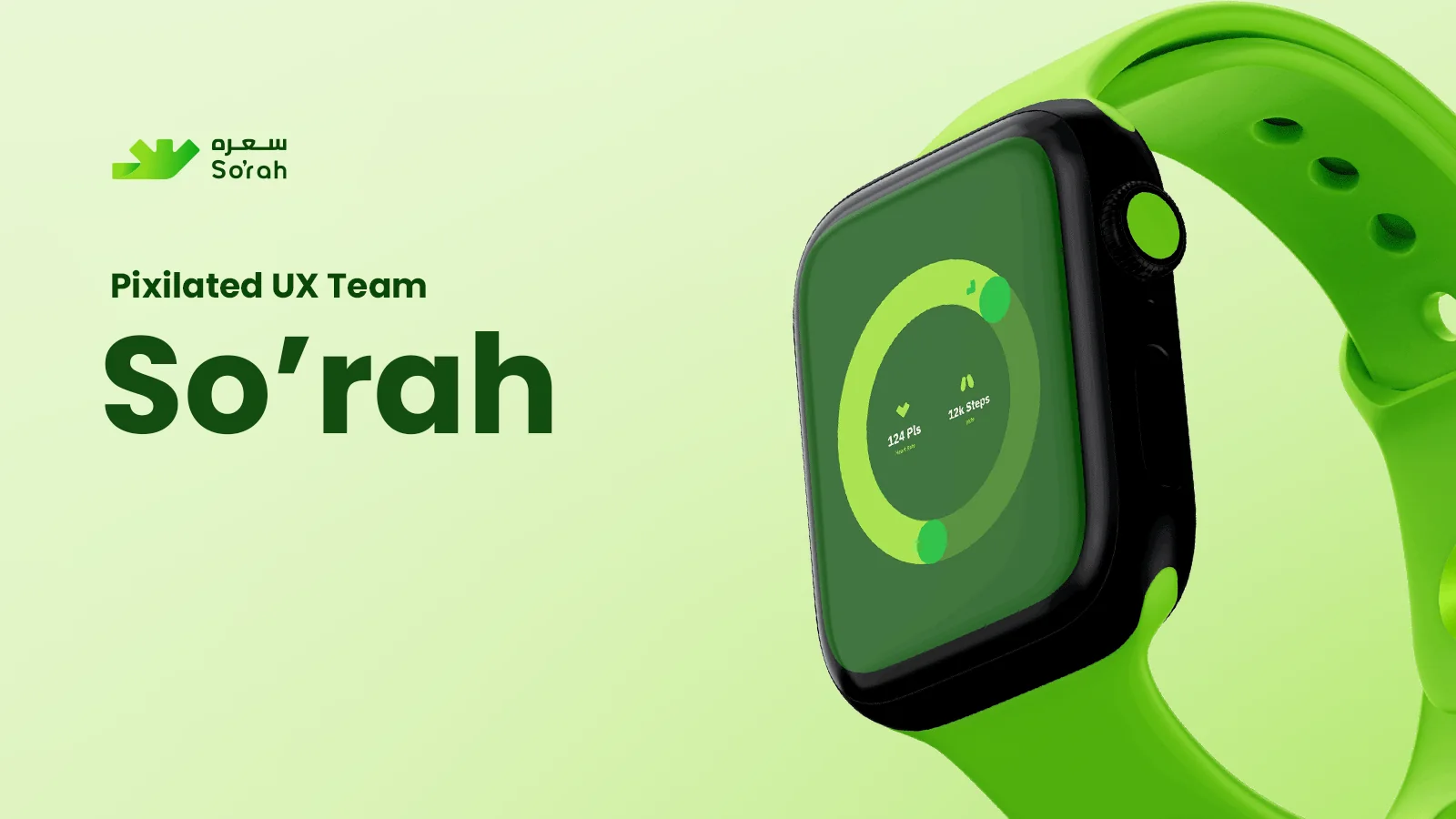
Pixilated UX Team2024 • iOS • Web
Scroll
The problem
Healthy
Healthy eating doesn’t have to be complicated. Yet, for many, it often is. From jam-packed schedules to overwhelming nutrition advice, staying on track with your goals can feel impossible.
The second desk-research document, read like a notebook: five pages of Saudi market data, each with the figures it rests on.
Overview This research aims to highlight and understand the F&B industry in KSA. We will provide insights into the current market trends, consumer behaviors, and the rising demand for healthier food options. The data presented is based on various scientific studies, market reports, and relevant sources to ensure a comprehensive and evidence-based pitch.
p. 01 / 05Population weight
55.8%
overweight and obesity prevalence in KSA survey, November 2021 – March 2022
obesity is predicted to affect approximately one-quarter of children/adolescents in Saudi Arabia by 2030
Population Weight Statistics
A significant portion of the Saudi population is overweight or obese. The current survey17 was accomplished between November 2021 and March 2022 that shows overweight and obesity prevalence in KSA is 55.8% of the population.
while obesity is predicted to affect approximately one-quarter of children/adolescents in Saudi Arabia by 2030
32.8%
overweight was prevalent in 32.8% of the population
41%
41% of men are overweight
28.9%
28.9% of women are overweight
23%
obesity was prevalent in 23% of the population
23.1%
23.1% of men are obese
24.2%
24.2% of women are obese
Each figure sits on its own ring, exactly as the document states it.
p. 02 / 05Eating habits
89.2%
of participants eat fast food regularly cross-sectional study from Jeddah
the primary motivations for buying fast food
taste38.3%
speed36.3%
10,000-15,000 SR/month
participants earning between 10,000-15,000 SR/month have higher odds of being obese
This alarming trend is closely linked to prevalent bad eating habits and behaviors. The frequent consumption of fast food, high-calorie snacks, and sugary beverages, combined with a sedentary lifestyle, significantly contributes to the increasing rates of overweight and obesity.
The survey17 has shown that obese individuals consume soft drinks and fast food (e.g., burgers, sausage, pizza, or Arabic shawarma) over three times each week, highlighting a pattern of excessive intake of unhealthy foods.
Overweight individuals also show inadequate vegetable intake, failing to meet the recommended daily servings of fresh and cooked vegetables.
A cross-sectional study21 from Jeddah revealed further insights into these habits. It showed that about 89.2% of participants eat fast food regularly, and the primary motivations for buying fast food are its taste (38.3%) and speed (36.3%).
These statistics underscore the widespread preference for convenience and flavor over nutritional value, contributing to poor dietary habits.
Moreover, overweight and obese individuals not only consume far more calories than they need but also engage in less physical activity. They spend less time walking, jogging, engaging in moderate to high-intensity exercise, dancing, and strength training compared to lean individuals. This lack of physical activity further exacerbates their weight issues and contributes to the overall poor health outcomes observed in this population.
Additionally, the survey17 data indicates that the higher the salary, the more likely individuals are to be obese. Participants earning between 10,000-15,000 SR/month have higher odds of being obese. This correlation between higher income and obesity may be due to increased access to and consumption of calorie-dense, processed foods and a more sedentary lifestyle associated with higher-paying, less physically demanding jobs.
These unhealthy dietary patterns and lifestyles not only lead to weight gain but also pose serious risks to overall health, increasing the likelihood of chronic diseases such as diabetes, cardiovascular diseases, and hypertension.
p. 03 / 05Perceived impact
Perception that obesity has a strong/very strong impact on a person’s overall health and wellbeing
88%
Saudi Arabia ALwO (n = 500)
85%
Saudi Arabia caregivers (n = 500)
90%
Saudi Arabia HCPs (n = 200)
ALwO: adults living with obesity · HCPs: healthcare professionals
In a survey16 conducted to understand the perceived impact of obesity on a person's overall health and well-being, the findings were significant. Most healthcare professionals, adults living with obesity, and caregivers indicated that obesity has a strong impact on health so people are aware of the harmful impact. The majority of respondents considered obesity to be at least as impactful as heart disease, diabetes, depression, anxiety, ADHD, tobacco use, and severe acne.
This makes it crucial to promote healthier eating habits and behaviors among the population and that is what Saudi Vision 2030 is trying to achieve.
Healthy Food Strategy (HFS)
The Kingdom of Saudi Arabia's Vision 2030 represents a comprehensive blueprint aimed at transforming various sectors of the country, including healthcare and nutrition.
As the nation transitions towards a diversified economy, one of the key priorities is addressing the rising prevalence of non-communicable diseases (NCDs) linked to unhealthy dietary habits.
This makes it crucial to promote healthier eating habits and behaviors among the population, aligning with Vision 2030's goals of enhancing quality of life and reducing healthcare costs associated with preventable diseases.
Through strategic initiatives like the Healthy Food Strategy (HFS), Saudi Arabia seeks to educate citizens about nutrition, promote local agricultural production, and encourage the consumption of balanced diets.
This holistic approach not only supports individual health but also contributes to the broader socio-economic objectives of Vision 2030.
By integrating sustainable practices in food production and consumption, the Kingdom aims to create a healthier society, enhance productivity, and build a resilient healthcare system capable of meeting future challenges. As Saudi Arabia continues to implement its Vision 2030 agenda, the promotion of healthier eating habits emerges as a cornerstone in achieving sustainable development and ensuring the well-being of its citizens.
p. 05 / 05Restaurants & delivery
132,383+
restaurants, cafes, and bakeries in Saudi Arabia
USD 2,488.91 Million
Saudi Arabia Online Food Ordering and Delivery Market Size, By Value, 2023 · TechSci Research
88.4%
participants encourage their friends to buy healthy foods
While the Vision 2030 agenda works to promote health, the landscape is filled with unhealthy food options. There are over 132,383 restaurants, cafes, and bakeries in Saudi Arabia.
At the same time, changing lifestyles and people's preferences have increased the demand for online food delivery services in Saudi Arabia. Rapid urbanization, a growing expatriate community, and young demographics with busy schedules have increased demand for convenient meal solutions.
Consumers now prefer to order food online rather than traditional dining or home cooking, reflecting a broader trend towards convenience and diverse culinary experiences.
Chart in the original document
Saudi Arabia Online Food Ordering and Delivery Market Size, By Region, By Value, 2019-2029F — stacked bars for Northern & Central, Western, Eastern and Southern regions, 2019 to 2029F, beside the headline figure USD 2,488.91 Million (market size by value, 2023). The bars carry no value labels, so the chart is not redrawn here. Source 22.
In parallel, there has been a notable rise in the availability and popularity of healthy food options. Independent restaurants and major chains alike are expanding their offerings to cater to the increasing demand for nutritious meals. This trend is especially prominent in urban areas, where the number of healthy food establishments continues to grow, providing a wide range of dietary choices. The expanding healthy food scene underscores the shift towards more health-conscious eating habits among Saudi consumers, in a study21 conducted 88.4% participants encourage their friends to buy healthy foods.
Three key user segments
Agenda
In the field of health and wellness, people often have many goals and motivations when it comes to their eating habits. Recognizing these unique needs, motivations, and challenges faced by different user segments is essential to creating a user-centered food app that efficiently meets their preferences and facilitates their goals.
This research aims to explore three key user segments: people who want to lose weight, people who want to build muscles, and people with diseases and allergies
01
People who want to lose weight
02
People who want to build muscles
03
People with diseases and allergies
01People who want to lose weight
Obesity is a multifaceted issue influenced by various factors, including genetics, environment, and lifestyle choices. In Saudi Arabia, the prevalence of overweight and obesity is alarming, with significant implications for public health.
Chart in the original document
Weight status by sex and year (Saudi Arabia) — Underweight, Normal weight, Overweight, Obese and Morbidly obese, for Males and Females in 2005 and 2013. The bars carry no value labels in the file, so the chart is not redrawn here.
According to a survey conducted in Saudi Arabia in 2018, several motivators for weight loss were identified. The primary motivators included wanting to enhance self-confidence and self-esteem, desiring to be more fit and in better shape, and seeking improved physical well-being and energy levels. Additionally, support from family and friends and the aspiration to fit into smaller clothing sizes were cited as motivating factors.
What are the motivators for weight loss?
Select answers questions
Wanting to be more confident / improve my self-esteem48%
The attitudes of overweight individuals towards obesity reflect a mix of self-responsibility and motivation. While a significant percentage believed in their ability to lose weight if they set their minds to it and acknowledged their responsibility for weight loss, there was a notable proportion that expressed doubts about their ability to keep the weight off and the effectiveness of self-directed weight loss efforts.
Attitudes toward obesity?
Percentage of respondents in agreement with statement
I could lose weight if I really set my mind to it77%
My weight loss is completely my responsibility67%
I am motivated to lose weight50%
I know how to keep the weight off29%
I am past the point where I can lose weight on my own28%
Studies examining lifestyle behaviors among overweight individuals in Saudi Arabia revealed patterns of dietary habits and physical activity levels associated with weight status. Obese individuals were found to consume more soft drinks and fast food, while overweight individuals exhibited insufficient consumption of vegetables. Furthermore, obese individuals engaged in less physical activity compared to their lean counterparts, indicating a need for targeted intervention strategies to promote healthier lifestyle behaviours.
Sociodemographic factors such as gender, age, marital status, education, and income were found to be associated with overweight and obesity in Saudi Arabia. Additionally, lifestyle factors such as dietary habits and physical activity levels played significant roles in determining weight status. The findings underscore the need for focused intervention strategies that address the diverse factors contributing to overweight and obesity in the population.
Dietary habits by weight status (N (%))
Dietary habits
Normal N (%)
Overweight N (%)
Obese N (%)
p-value
Eating breakfast
0.789
Do not eat
69 (31.4%)
71 (32.3%)
61 (27.7%)
Eating regularly
335 (35.4%)
316 (33.4%)
221 (23.3%)
Eating sometimes
299 (34.6%)
299 (34.6%)
202 (23.4%)
Drinking soft drinks
0.070
Do not drink
219 (35.9%)
198 (32.5%)
138 (22.6%)
1–3 times/week
373 (35.3%)
362 (34.2%)
241 (22.8%)
More than 3 times/week
108 (30.5%)
121 (34.2%)
105 (29.7%)
Eating vegetables (fresh or cooked)
0.399
Do not eat
57 (29.1%)
78 (39.8%)
45 (23.0%)
Eating 1–3 times/week
407 (34.0%)
401 (33.5%)
298 (24.9%)
Eating more than 3 times/week
225 (36.9%)
202 (33.1%)
136 (22.3%)
Eating fruits
0.256
Do not eat
106 (30.9%)
116 (33.8%)
88 (25.7%)
Eating 1–3 times/week
447 (35.4%)
428 (33.9%)
306 (24.2%)
Eating more than 3 times/week
136 (35.5%)
129 (33.7%)
83 (21.7%)
Consuming dairy product
0.397
Do not eat
71 (30.9%)
73 (31.7%)
65 (28.3%)
Eating 1–3 times/week
357 (34.4%)
363 (35.0%)
248 (23.9%)
Eating more than 3 times/week
252 (35.6%)
236 (33.3%)
162 (22.9%)
Consuming fast food
0.05
Do not eat
184 (35.8%)
161 (31.3%)
117 (22.8%)
Eating 1–3 times/week
419 (34.6%)
422 (34.8%)
285 (23.5%)
Eating more than 3 times/week
80 (31.5%)
87 (34.3%)
74 (29.1%)
Consuming French fries/potato chips
0.312
Do not eat
221 (36.5%)
198 (32.7%)
139 (23.0%)
Eating 1–3 times/week
410 (35.1%)
390 (33.4%)
283 (24.2%)
Eating more than 3 times/week
52 (26.5%)
75 (38.3%)
53 (27.0%)
Eating cakes/biscuits/donuts
0.845
Do not eat
172 (35.8%)
164 (34.1%)
105 (21.8%)
Eating 1–3 times/week
412 (34.2%)
407 (33.8%)
295 (24.5%)
Eating more than 3 times/week
94 (32.3%)
97 (33.3%)
77 (26.5%)
Sweets/chocolate
0.717
Do not eat
143 (34.4%)
140 (33.7%)
94 (22.6%)
Eating 1–3 times/week
412 (34.8%)
407 (34.4%)
282 (23.8%)
Eating more than 3 times/week
123 (33.5%)
119 (32.4%)
95 (25.9%)
Energy drinks
0.899
Do not drink
523 (34.9%)
505 (33.7%)
356 (23.7%)
Drinking 1–3 times/week
125 (33.4%)
128 (34.2%)
89 (23.8%)
Drinking more than 3 times/week
29 (33.7%)
29 (33.7%)
24 (27.9%)
Bar length = the row percentage (scale 0–40%). Source 17
02People who want to build muscles
In this era, maintaining a healthy lifestyle has become a trend, with both men and women showing increased interest in working out and eating nutritious foods.
While building muscle has long been associated with masculinity, there's been a noticeable shift in recent years, with more women embracing strength training and muscle-building exercises.
So, why do women want to build muscles?
For many, it's not just about appearance; it's about feeling strong, confident, and empowered.
Women are realizing the numerous benefits of strength training, including improved metabolism, increased bone density, and better overall health. Additionally, building muscle can help women achieve functional fitness goals, such as lifting heavy objects or participating in sports and recreational activities with greater ease. Therefore, the desire to build muscles isn't solely about aesthetics but also about achieving a sense of strength and vitality in today's health-conscious society.
Similarly, men have their reasons for wanting to build muscles. Beyond the desire for a more muscular physique, many men associate muscle-building with masculinity and physical strength. Building muscles can also boost self-confidence and improve body image, especially in a society where physical appearance is often emphasized. Additionally, for some men, building muscles is a way to enhance athletic performance, excel in sports, or simply feel more capable in daily activities. Overall, the motivation for men to build muscles varies but often revolves around themes of strength, confidence, and achieving physical fitness goals.
03People with diseases and allergies
People with allergies and diseases are often motivated to eat a healthy and appropriate diet by the desire to manage their conditions effectively. For them, food choices directly impact their symptoms and overall well-being. Eating a nutritious diet tailored to their specific needs can help alleviate symptoms, reduce the risk of complications, and improve their quality of life. Additionally, they may be motivated by the long-term benefits of a healthy diet, such as supporting their immune system, preventing future health problems, and promoting overall vitality. Furthermore, the understanding that food is a form of medicine can empower them to take control of their health and make proactive choices to optimize their dietary intake.
01People who want to lose weight
Losing weight can present various challenges for individuals on their journey to achieving a healthier lifestyle.
One significant challenge is overcoming unhealthy eating habits and cravings, which often stem from emotional triggers, societal pressures, or ingrained behaviours.
Additionally, maintaining consistency with exercise routines can be difficult due to time constraints, lack of motivation, or physical limitations.
Another obstacle is navigating the abundance of conflicting information about dieting and weight loss strategies, leading to confusion and frustration. Moreover, managing stress and addressing underlying psychological factors such as low self-esteem or negative body image can pose additional hurdles. Finally, external factors like social gatherings, peer influences, and environmental cues may contribute to temptation and derail progress.
Reasons for not discussing weight?
Percentage of respondents in agreement with statement
I do not feel motivated to lose weight30%
I do not believe I am able to lose weight29%
I believe it is my responsibility to manage my weight26%
I am not interested in losing weight25%
I do not have the financial means to support a weight loss effort16%
For people aiming to build muscle, several challenges can arise throughout their fitness journey.
One common obstacle is finding the right balance between training intensity and recovery, as overtraining can lead to injury and hinder progress. Additionally, ensuring proper nutrition and meeting specific dietary requirements, such as adequate protein intake and calorie consumption, can be challenging, especially for those with busy lifestyles.
Another hurdle is navigating the vast amount of information available on training techniques, supplementation, and muscle-building strategies, which can be overwhelming and confusing.
Moreover, staying motivated and consistent with workouts, especially during periods of plateau or slow progress, requires dedication and perseverance. Furthermore, overcoming self-doubt and managing expectations regarding results and timelines can be mentally taxing.
Lastly, factors like genetics, age, and individual body composition may influence the rate and extent of muscle growth, adding complexity to the process.
Despite these challenges, with proper guidance, persistence, and patience, people can effectively build muscle and achieve their fitness goals.
03People with diseases and allergies
People might face challenges when seeking appropriate substitutes for their restricted foods, particularly if they have multiple allergies or intolerances. Meeting nutritional requirements while adhering to dietary restrictions can be intricate and may necessitate meticulous meal planning and ingredient substitutions.
Document 01 · Past Strategies
Past Strategies
What each segment already does today.
01
People who want to lose weight
Those aiming to shed extra kilos often focus on controlling their diet by watching and reducing calorie intake.
Many use apps to track what they eat and their progress.
They also include regular exercise, like cardio and strength training, to help burn calories and build muscle.
02
People who want to build muscles
People seeking muscle growth prioritize protein-rich diets and strength training. They eat foods like lean meats, eggs, and beans, while also using protein supplements. Their workouts include lifting weights to stimulate muscle growth and strength.
03
People with diseases and allergies
Managing health conditions and allergies requires careful dietary planning. These individuals follow specialized diets, avoiding trigger foods and seeking advice from healthcare professionals.
Document 01 · Opportunity
Opportunity
Where the desk research ended: what an app could offer each segment.
01
People who want to lose weight
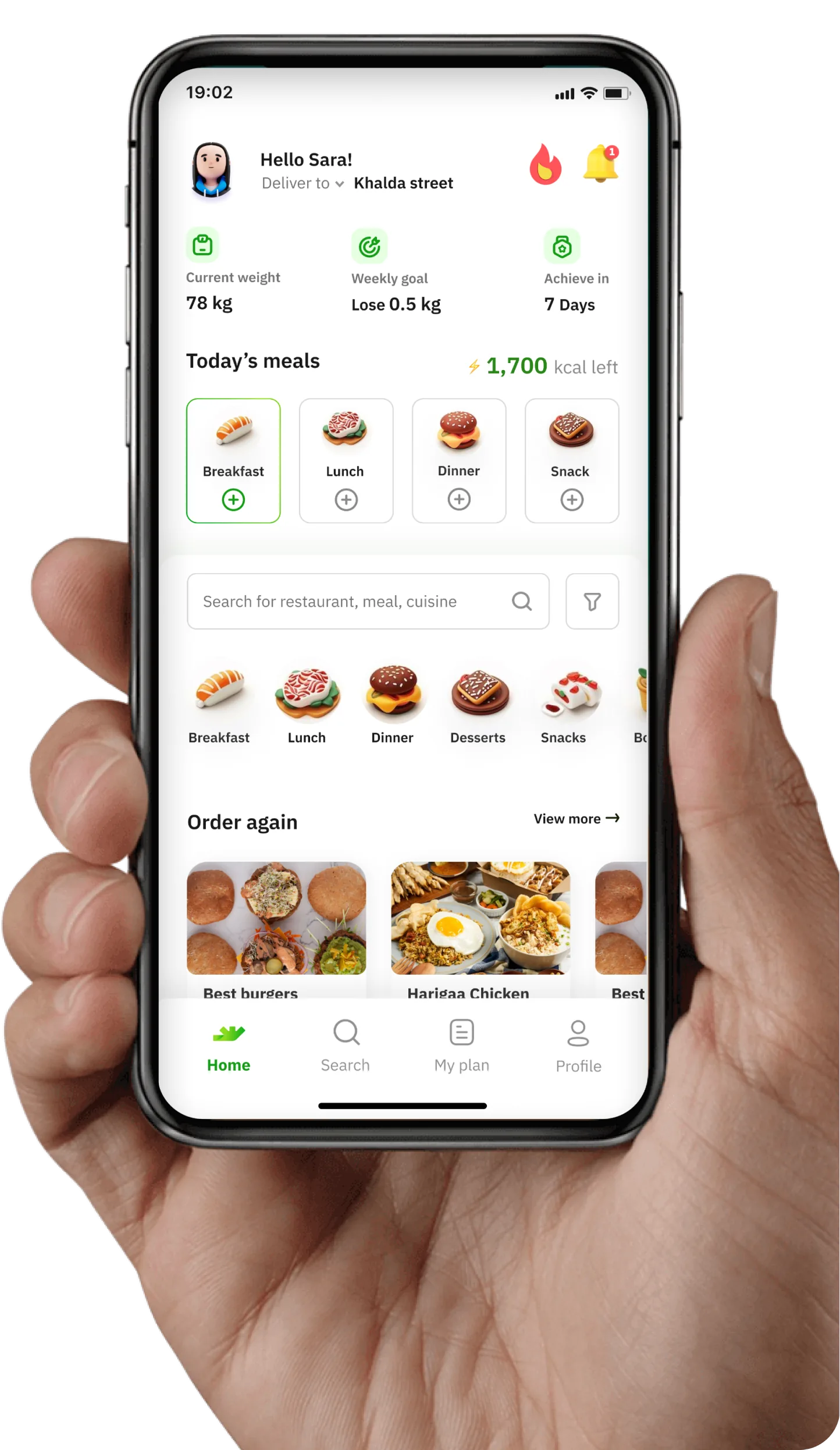
Offer a range of healthy meal options with calorie and nutritional information provided.
Provide customizable meal plans tailored to weight loss goals, including options for portion-controlled meals.
Incorporate features like meal tracking and progress monitoring within the app to support users on their weight loss journey.
BMI calculator
02
People who want to build muscles
Include a selection of high-protein meals and snacks to support muscle growth and recovery.
Partner with fitness influencers or trainers to offer specialized meal plans designed for muscle building.
Integrate options for protein-rich supplements and snacks into the app for convenient ordering alongside meals.
03
People with diseases and allergies
Offer a variety of allergy-friendly and specialized diet options, catering to different dietary restrictions.
Collaborate with nutritionists or healthcare professionals to develop meal plans tailored to specific health conditions.
Ensure clear labeling and allergen information for each menu item to help users make informed choices.
Offering customizable meals where users can modify ingredients to suit their needs
Insights
01
Highlight Health Benefits
Market the app emphasizing the health benefits of the meals offered. Use testimonials and endorsements from health-conscious consumers and nutrition experts.
02
Quick and Easy Ordering
Ensure the app offers a seamless, user-friendly interface for quick and easy ordering.
03
Healthy Fast Food Alternatives
Provide healthier alternatives to popular fast food items that retain similar taste and convenience.
04
Balanced Meal Plans
Offer meal plans that are balanced and include adequate servings of vegetables and other nutritious foods.
05
Customization
Allow users to customize their meals based on dietary needs and preferences, such as low-calorie, low-sugar, or high-protein options.
06
Educational Content
Include educational content about nutrition and the benefits of a balanced diet within the app.
07
Target Higher Income Groups
Offer premium, high-quality healthy food options targeting higher income groups.
08
Wellness Integration
Integrate features that encourage physical activity, such as tips for at-home exercises, partnerships with fitness apps, or loyalty rewards for active lifestyle choices.
09
Social Media Engagement
Use social media platforms to engage with the target audience through health tips, user testimonials, and promotional offers.
With the segments and opportunities mapped from desk research, the next step goes to the people themselves. Step 02 · Listening to users
The evidence
Sources
Both documents end with their references. Small numbers in the text point here; hover or focus a lime source to light up the claims on this page that cite it.